

Key Takeaways
- —There is no single answer to where rental yields are highest in North Cyprus: villa villages around Kyrenia lead on short-term income, central Kyrenia on occupancy and university areas on steady long lets.
- —AirROI listing data (Nov 2025–Oct 2026) puts average gross income per Airbnb listing in North Cyprus at €7,910 with 34% occupancy; central Kyrenia has the highest occupancy at 42%.
- —TSKB Gayrimenkul Değerleme estimated in October 2026 a payback period on new projects of 10–12 years in İskele and 12–14 years in Kyrenia and Famagusta, roughly a 7–10% gross yield.
- —Site fees, empty months, maintenance, management commission, tax and purchase costs sit between gross and net yield; in a worked example 5.6% gross falls to 4.4% net.
- —Since 1 March 2026, owners letting to tourists for up to 60 days must register with the Tourism Planning Department and hold an annual operating permit under the Holiday Homes Law.
Most investors who ask about rental yields in North Cyprus expect the name of one neighbourhood. The honest answer takes a little longer: the return depends as much on who rents the property, for how long and at what cost as on where it is. A one-bedroom flat in central Kyrenia that is let all year and a villa in Çatalköy that fills up mainly in summer cannot be measured with the same ruler. Below we go through the areas one by one and look at what the data published in 2026 tells us, and where it goes quiet.
The short answer: highest yield by which measure?
The data we have gives three different answers to three different questions. In short-term letting, the highest income per listing comes from the villa-heavy villages east and west of Kyrenia. Occupancy is highest in central Kyrenia. For long lets, demand is steadiest around the universities: Karaoğlanoğlu, Famagusta and Nicosia.
None of these means "highest yield" on its own, because yield is a ratio: annual net rent divided by the total investment. A villa that earns a lot may not beat an ordinary flat in percentage terms if it also cost a lot to buy. There is also no official rent or house price index published regularly in the TRNC. Every figure below is either listing data or a valuation firm's estimate, and should be read that way.
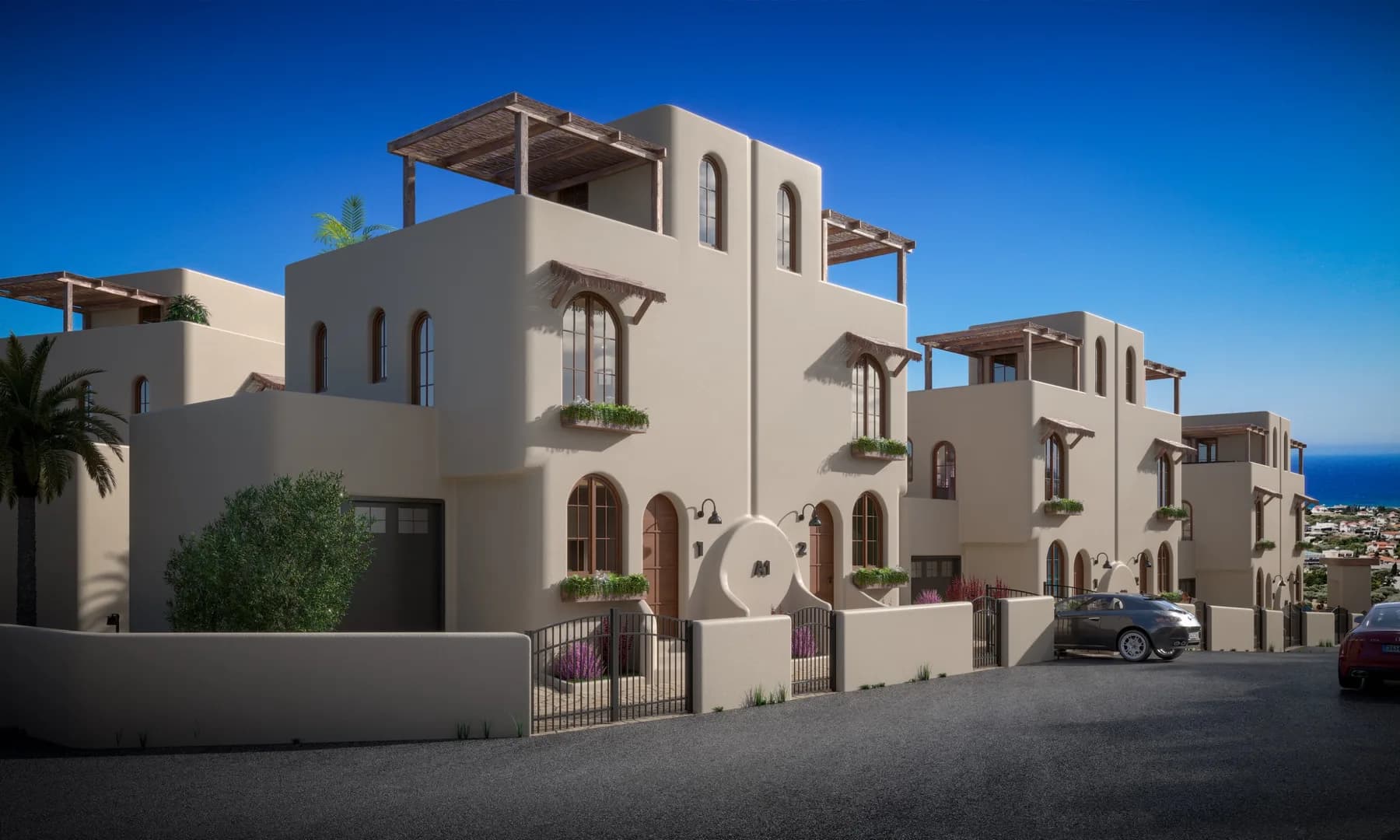
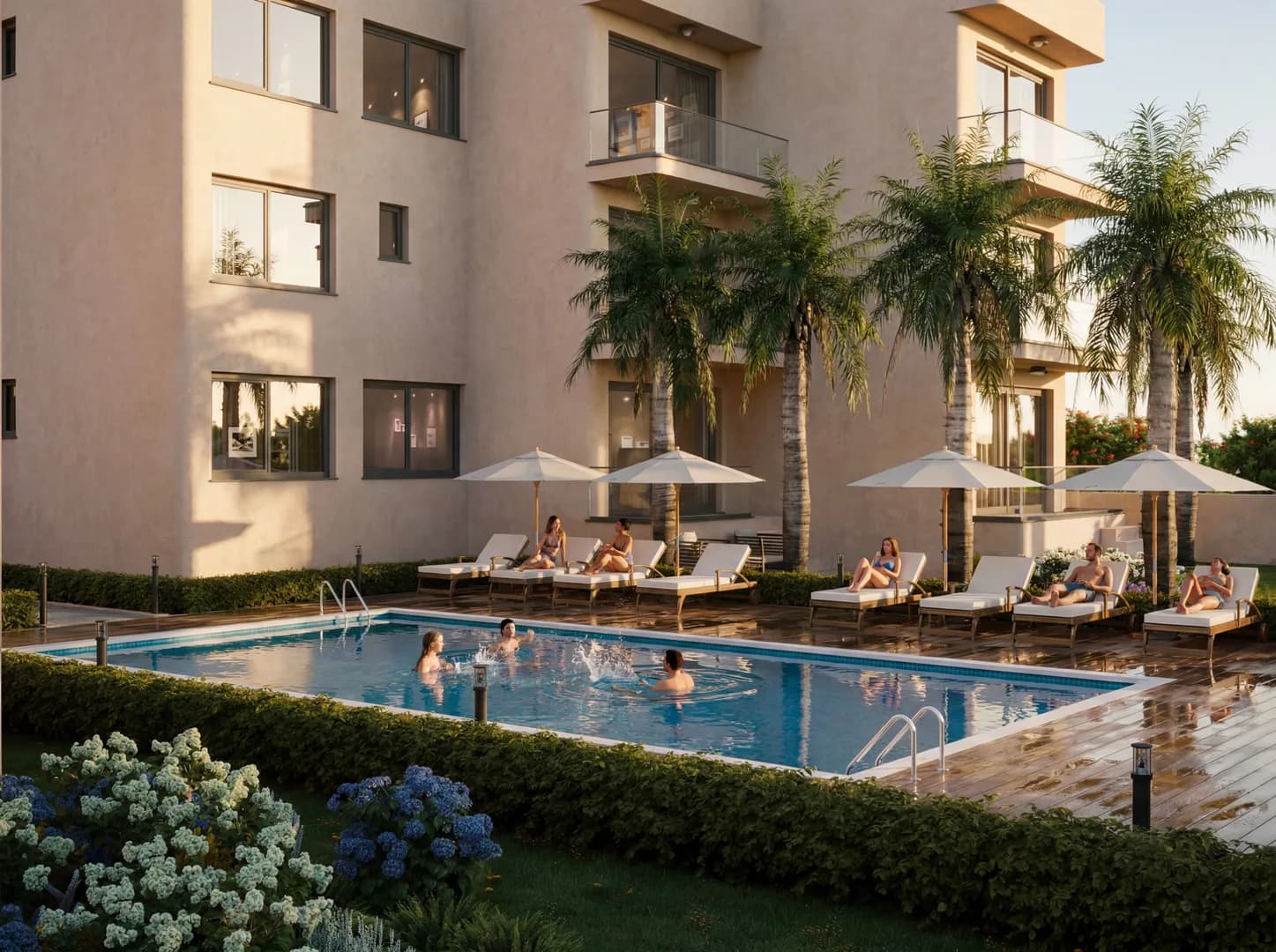
So when you look at an area, think about the property type at the same time. Even in the same neighbourhood, a furnished one-bedroom flat on a site with a pool and an empty three-bedroom flat facing the main road attract completely different tenants. Putting the handover dates of current housing projects in Karaoğlanoğlu, Alsancak and Lapta next to the room counts of apartments for sale that are ready to let makes it clear from the start which tenant you are buying for.
What does the 2026 data say?
Short-term lets: listing data
According to figures updated on 5 November 2026 by AirROI, a firm that tracks short-term rental data, the 1,190 active Airbnb listings it follows in North Cyprus earned an average of €7,910 each between November 2025 and October 2026. Average occupancy was 34% and the nightly rate about €105. By area (the data uses the Greek village names; the matching is ours):
Area | Annual gross income (per listing) | Occupancy · nightly rate |
|---|---|---|
Çatalköy | €16,600 | 34% · €190 |
Lapta | €11,200 | 34% · €140 |
Central Kyrenia | €10,900 | 42% · €92 |
Alsancak | €10,100 | 34% · €130 |
Karaoğlanoğlu | €9,780 | 36% · €98 |
İskele | €4,400 | 31% · €83 |
Nicosia | €4,380 | 32% · €57 |
Famagusta | €4,330 | 31% · €73 |
Two things to keep in mind when reading the table. The figures are gross: platform fees, cleaning, bills and management charges have not been deducted. And income per listing also reflects the size of the property. Çatalköy tops the list because most of its listings are villas; €190 a night is the price of a house with a pool, not a two-bedroom flat. In Nicosia, most listings are single rooms, which pulls the average down.
Long lets and payback period
We could not find an independent, area-by-area yield series for long-term rentals. The closest reference is the estimates TSKB Gayrimenkul Değerleme, a property valuation firm, shared in a report by the Turkish business magazine Ekonomist on 27 October 2026. According to the valuation firm's regional estimates (in Turkish), the payback period on new projects is around 10–12 years in İskele and 12–14 years in Kyrenia and Famagusta. Converted into a percentage, that is roughly a 7–10% gross yield, before costs and empty months.
Once costs come off, the picture changes. In our own worked example, a two-bedroom flat near Kyrenia bought for £150,000 and let long term at £700 a month falls from about 5.6% gross to 4.4% net after the site fee, one empty month and maintenance. Keep that gap in mind whenever you see a percentage in an advert.
Area by area: who rents, and where are the risks?
Central Kyrenia and the harbour
This is where occupancy is highest. The 42% in the table comes from a season that stretches from May to October and from income that does not stop completely even in February. Tenants are mixed: tourists in summer, foreigners staying for the winter, and people who work in Kyrenia all year. The weak points are the purchase price and the stock. There are few new projects, parking and lifts can be a problem in older blocks, and maintenance costs in an old building eat into net yield quickly.
Karaoğlanoğlu: students and young professionals
With the Girne American University campus in the neighbourhood, one- and two-bedroom flats let quickly at the start of each term. Student rent is regular but runs to its own calendar: contracts usually follow the academic year, and flats can stand empty over the summer. Some owners of projects close to the coast road try to fill that gap with short-term lets. The risk is supply. Many similar projects have been completed here in recent years, so you may be competing with dozens of near-identical flats on the same site for the same tenant.
Alsancak and Lapta: long-stay foreigners and holidaymakers
These two villages west of Kyrenia earn high short-term income per listing (€11,200 in Lapta, €10,100 in Alsancak), with nightly rates above central Kyrenia. That is down to the share of homes with gardens, pools and sea views. Occupancy stays at 34%, though, because in winter demand shifts from tourists to long-stay guests from northern Europe and retirees. The season calendar for holiday villa rentals in Alsancak shows the same pattern: busy from late April to mid-October, thin from November to March. As a company that has built housing projects in these areas, the question we hear most often after handover is how to combine summer and winter letting in the same property.
Çatalköy: villas and family tenants
Çatalköy, east of Kyrenia, tops the table at €16,600 per listing and €190 a night. That figure describes the villa market. The purchase price, pool and garden upkeep and summer air-conditioning bills are just as large, so the percentage return may not come out on top. Long-term tenants are mostly families and foreigners who have settled on the island. Because most daily errands need a car, students and single professionals are rare here.
İskele and Long Beach: fast growth, plenty of supply
İskele has the shortest payback period in the valuation estimates (10–12 years), with summer tourism supporting daily and weekly lets. The short-term listing data is more cautious: €4,400 per listing, 31% occupancy, a season from June to September, and December income falling to about a third of July's. Some 95% of listings in the area are apartments, most with one bedroom. In other words, you compete on price with hundreds of similar flats on the same site. A decision that ignores the winter gap and the site fees, which can be high on resort complexes with pools and security, causes the most trouble here.
Famagusta and Nicosia: universities and year-round demand
In Famagusta, the rental market is carried by the students and academic staff of Eastern Mediterranean University. According to TSKB's assessment, long-term letting spread over twelve months is less affected by seasonal swings, and one- and two-bedroom flats lead the market. In Nicosia, demand rests on working people, students and local tenants; in the short-term data, too, Nicosia's income is the most evenly spread across the year. Neither city is a tourist market, but these are the places with the lowest risk of empty months. If your tenant is a student, agree the currency of the contract at the outset; with rent paid in Turkish lira, the exchange-rate risk is yours.
Short-term or long-term? The costs that decide your net yield
The legal side of short-term letting
Under the Holiday Homes Law (Tatil Evleri Yasası, in Turkish), in force since 1 March 2026, a let for tourism purposes that does not exceed 60 days counts as a short-term let. An owner who wants to let a home this way must apply to the Tourism Planning Department, register it in the holiday homes register and obtain a registration certificate and an operating permit that is renewed every year. The law also sets conditions such as a separate entrance, no more than five bedrooms and a capacity of ten people, and operating an unregistered holiday home is defined as an offence. Ask the Tourism Planning Department for the application details and fees.
What sits between gross and net
Gross yield is annual rent divided by the purchase price; net yield is what is left after costs, divided by the total investment including purchase costs. In between sit purchase costs (transfer fee, VAT, stamp duty, lawyer), furniture and preparing the property for letting, site fees, maintenance and repairs, management commission and cleaning for short lets, insurance and property tax, empty months and tax paid on rental income. Ask your accountant about the current rules on taxing rental income and the withholding rates.
Enter these items separately for long and short lets and you can work out your net yield and payback period with your own figures. The calculator also asks how many months a year the property will be let, the management share and, for short lets, the nightly rate and occupancy, so you see both scenarios for the same property side by side.
There is one more cost that never appears in an advert: the building itself. A damp wall, a roof that leaks in the first winter or poor insulation means a repair bill every year and bad guest reviews. Before you buy, having the building and the project checked by someone who knows construction usually costs less than the repairs you would pay for later.
Which area suits you? Three questions
First, decide whether you will use the property yourself for part of the year. If you will, coastal and seasonal areas make sense, but every summer week you keep for yourself is a week when income is at its peak. The second question is time: if you have neither the time to deal with tenants nor a management company you trust, a long let near a university will bring fewer surprises. The third is what you expect: steady rent, or capital growth when you sell in a few years? Finding the best of both at the same address is hard.
If you would like to talk through which area fits your numbers, you can arrange a meeting with our team. The figures in this article are general information as of November 2026, not investment advice.
Frequently Asked Questions
What is the average rental yield in North Cyprus?+
There is no official index. Valuation estimates put the payback period at 10–14 years, roughly a 7–10% gross yield. After costs, the net yield on long lets is usually clearly lower; in our worked example it is 4.4%.
Which area of North Cyprus is best for Airbnb?+
In 2026 listing data, gross income per listing is highest in Çatalköy, Lapta, central Kyrenia and Alsancak, and occupancy is highest in central Kyrenia. Villa areas also cost more to buy, so calculate the percentage yield with your own figures.
Which areas suit student rentals?+
Karaoğlanoğlu, home to Girne American University, Famagusta, home to Eastern Mediterranean University, and Nicosia. Demand is steady, but contracts follow the academic year, so flats can be empty in summer.
Do I need a permit for holiday lets in North Cyprus?+
Yes. Under the Holiday Homes Law in force since 1 March 2026, an owner letting for tourism for up to 60 days must register with the Tourism Planning Department and hold an operating permit renewed every year.
Is rental income taxed in North Cyprus?+
Yes, rental income is taxable and is paid through withholding. Because the rate and filing obligations can depend on your situation, ask your accountant about the current rules.