Key Takeaways
- —Kyrenia is the most preferred area in Northern Cyprus among foreign residents due to its low crime rate, Mediterranean climate, and developed private healthcare sector.
- —Summer temperatures can reach 35-38°C, while winters are mild (10-15°C during the day); thermal insulation is a critical criterion when choosing a home.
- —Private car ownership is almost mandatory due to limited public transport; however, distances are short because the island is small.
- —Social life isn't on a metropolitan scale, but there is an active network of associations/events for British, Russian, Scandinavian, and Turkish communities.
- —Up-to-date and institution-specific information should be confirmed before making final decisions on matters such as health insurance and school curricula.
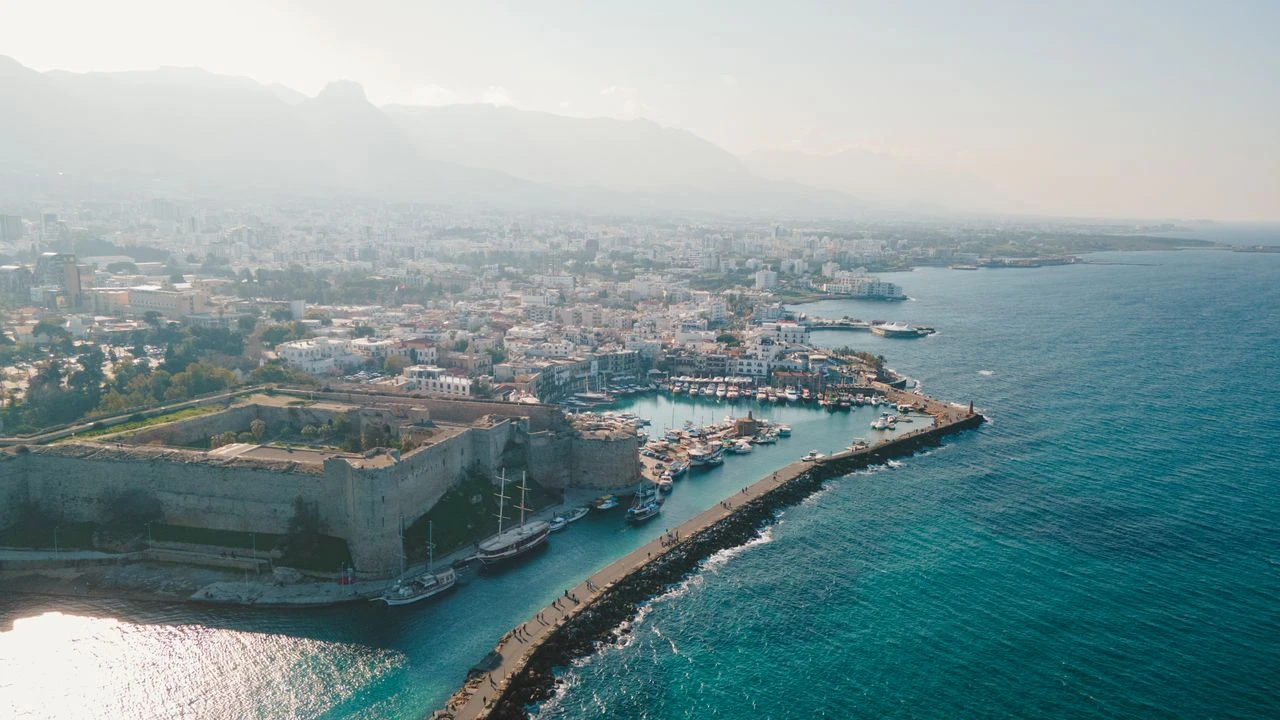
Imagine enjoying your morning coffee in one of the narrow streets just behind Girne Harbour, in the shade of a centuries-old stone wall. An afternoon stroll along the seafront, and an evening sunset at a restaurant in Karaoğlanoğlu. The picture often described in Girne's marketing jargon is largely true — but there's another side to the coin, and this article attempts to tell both.
The majority of foreigners moving to Northern Cyprus come from the UK, Germany, Russia, Ukraine, and, in recent years, an increasing number from Türkiye. Girne is at the center of this migration because it has the most developed infrastructure, the most vibrant social life, and the most diverse housing stock on the island. Although Nicosia is the administrative capital, Girne is often the first place that comes to mind when people think of a "place to live."
Climate: Mostly Sunny, Hot Summers
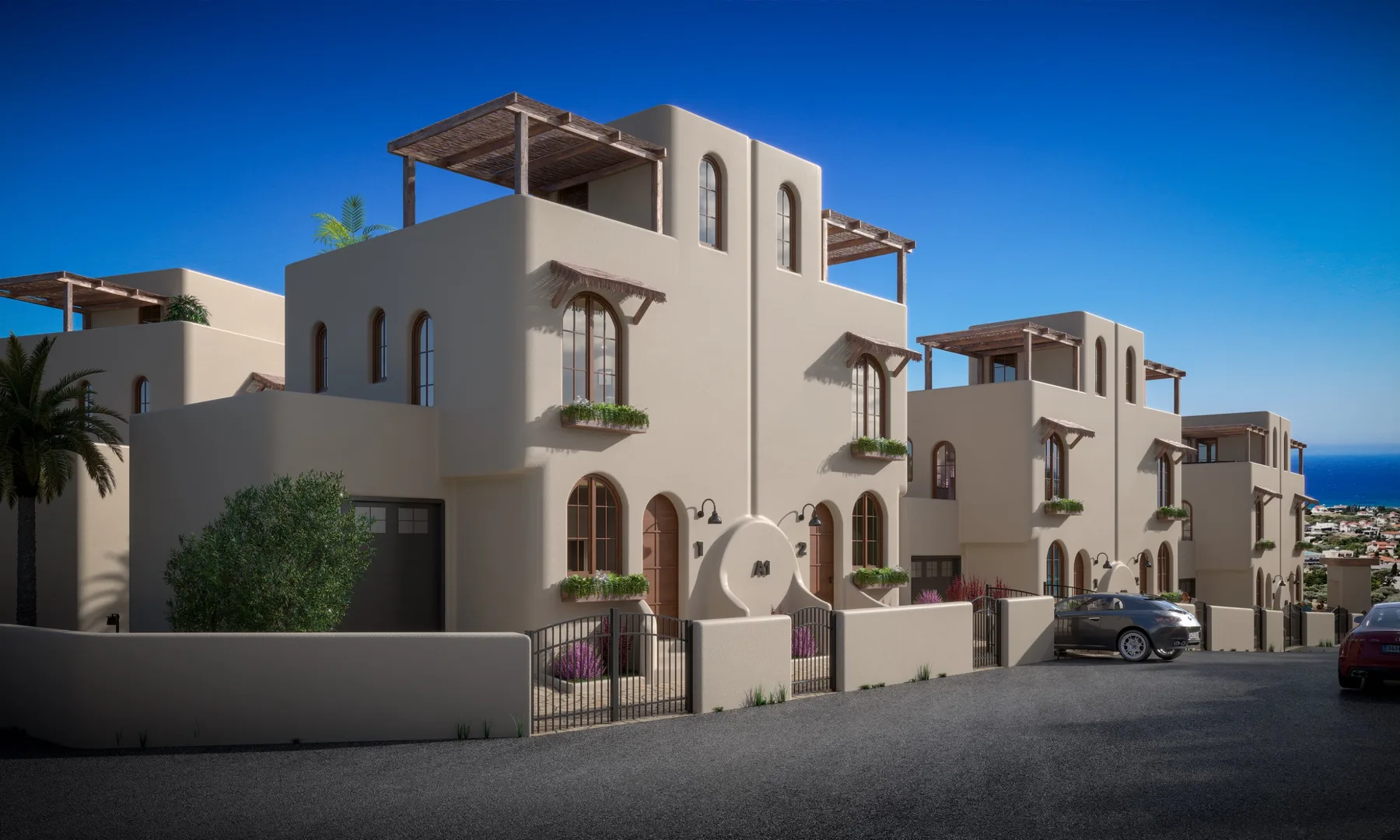
Northern Cyprus has a typical Mediterranean climate: hot and dry summers, and mild and relatively rainy winters. In July and August, daytime temperatures can reach 35-38°C, and humidity is particularly noticeable along the coast. In winter, daytime temperatures range from 10-15°C, and nighttime temperatures from 5-10°C – snow is almost nonexistent, but the humid cold can be more uncomfortable than expected in poorly heated homes. Therefore, when buying or renting a house in Kyrenia, details such as insulation quality and air conditioning/heating systems become as important as the climate.
Security: One of the Island's Most Important Attractions
Kyrenia, and Northern Cyprus in general, is known for its low crime rate compared to European standards. Behaviors such as going for walks late at night, children playing alone in the neighborhood, and briefly leaving the house unlocked are normal for many residents. This perception is one of the main reasons why families with children and retirees choose Kyrenia. Nevertheless, as in any residential area, standard security measures such as building security and on-site camera systems should not be neglected.
Social Life: Not Crowded, But Lively
Girne's social life is not comparable to that of Istanbul or London — and that's exactly what many immigrants seek. The harbor area, the Karaoğlanoğlu coastline, and the Alsancak restaurant/beach club area, which has developed in recent years, offer a lively atmosphere in the evenings. Activities such as golf, sailing, and diving are available; there are associations, church/mosque congregations, and charity groups for the British, Russian, Scandinavian, and Turkish communities. Newcomers often build their social circles through a café, a sports club, or their children's school. The high university student population also adds a youthful energy to the city, especially in and around Girne center.
Healthcare: Private Sector Takes Center Stage
Both public and private healthcare institutions operate in Northern Cyprus, but the majority of foreign residents prefer private hospitals. In and around Kyrenia, there are private clinics and hospitals staffed by doctors trained abroad, where communication is possible in English. Regarding health insurance, most foreign residents obtain it either through their employer or privately; coverage and prices can vary significantly depending on the institution, so it's essential to obtain up-to-date quotes before moving.
Transportation: A Car is Almost Necessary
Public transportation in Kyrenia is limited — there are minibus routes, but they are not a frequent or reliable system. Therefore, almost everyone living in the city owns their own car. The good news is that you can easily travel from Kyrenia to Nicosia in about 25-30 minutes, to Ercan Airport in about 40-45 minutes, and even to Karpaz for a day trip. Because the island is small, the feeling of "everything being close together" offers real relief for someone who has experienced the fatigue of big city life.
Education: Expanding International School Options
One of the most researched topics for families with children is education. In and around Kyrenia, there are international schools offering English-language education, schools following the Cypriot curriculum, and colleges affiliated with various universities. When choosing a school, criteria such as curriculum (English, Turkish, or international baccalaureate), transportation distance, and annual fee range should be compared; up-to-date information on this should be confirmed directly with school administrations.
So, Who is Kyrenia Suitable For?
Those seeking a quiet life after retirement, digital nomads working remotely, couples who have established families and want a safe environment, and foreigners looking for investment properties — the profile that Kyrenia attracts generally falls under these four headings. Those seeking nightlife, high-density public transport, or the variety of a large city will likely find Kyrenia unsuitable. Investing in Real Estate in Northern Cyprus.
If you are seriously considering moving to Kyrenia, we recommend visiting the area in different seasons rather than making a decision after a single holiday — the Kyrenia you see in summer and the Kyrenia you see in January can sometimes feel surprisingly different. The Most Preferred Neighborhoods in Kyrenia.
Frequently Asked Questions
Is living in Kyrenia safe for foreigners?+
General perception and current data suggest that Kyrenia has a low crime rate compared to European standards, but as with any city, basic safety precautions are necessary.
Is it possible to live in Kyrenia without a car?+
Difficult. Since public transport is limited, using a private vehicle becomes almost a standard necessity in daily life.
Which season is best to visit before moving to Kyrenia?+
Visiting at least once in both summer and winter is recommended to experience the real living conditions of the region.